Every Garment. Every Label. Connected.
From clothing to footwear — transform apparel products into intelligent, revenue-generating digital touchpoints.
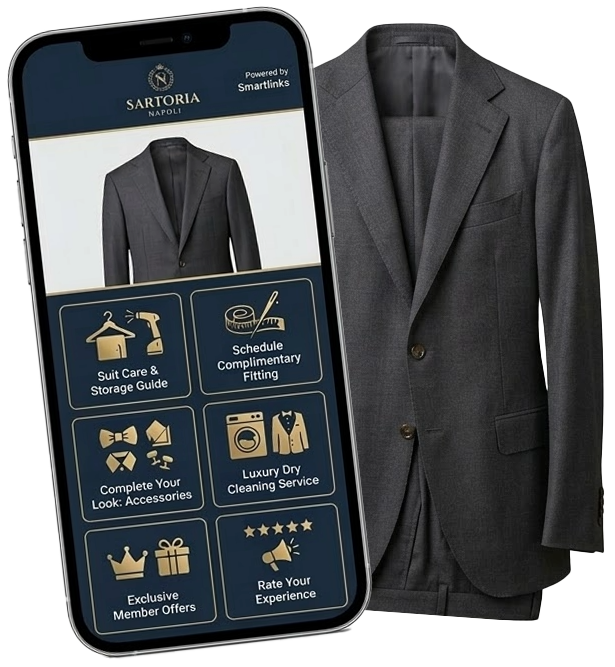
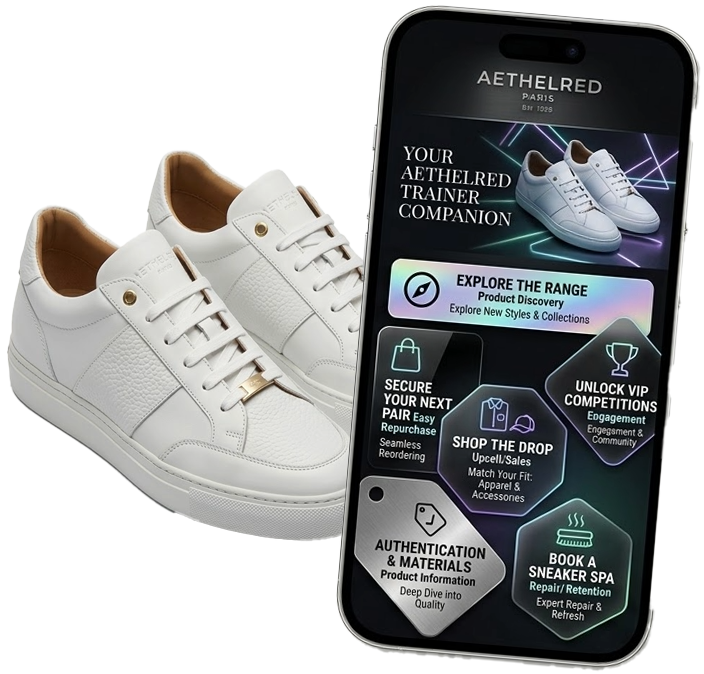
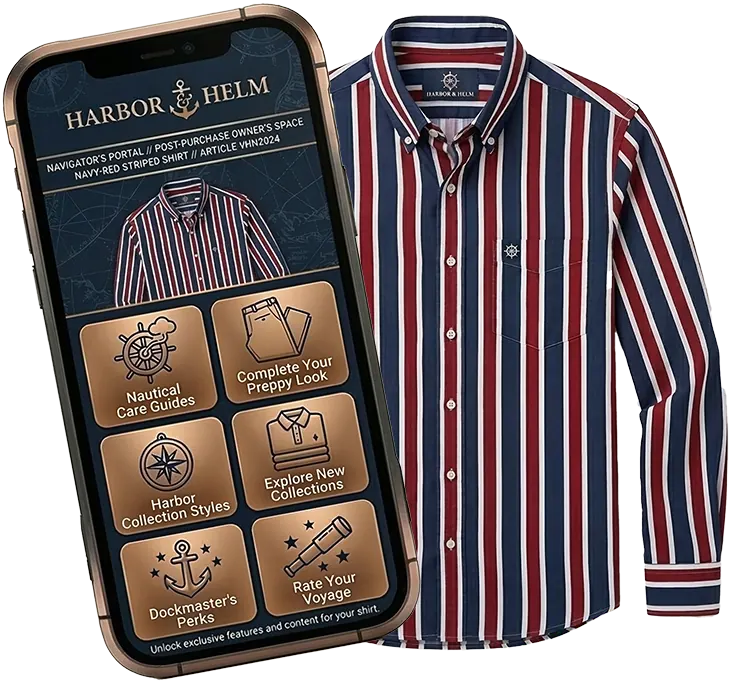
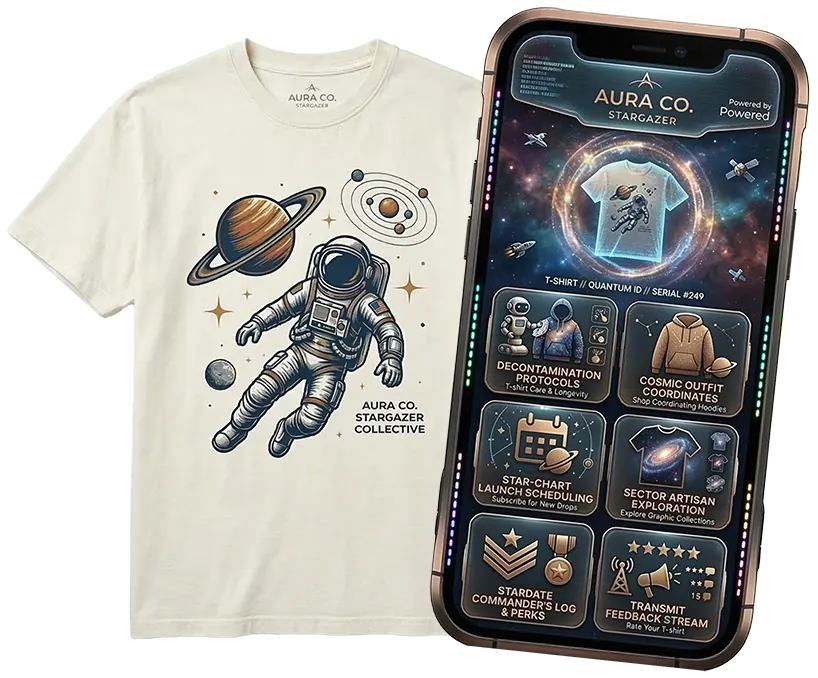
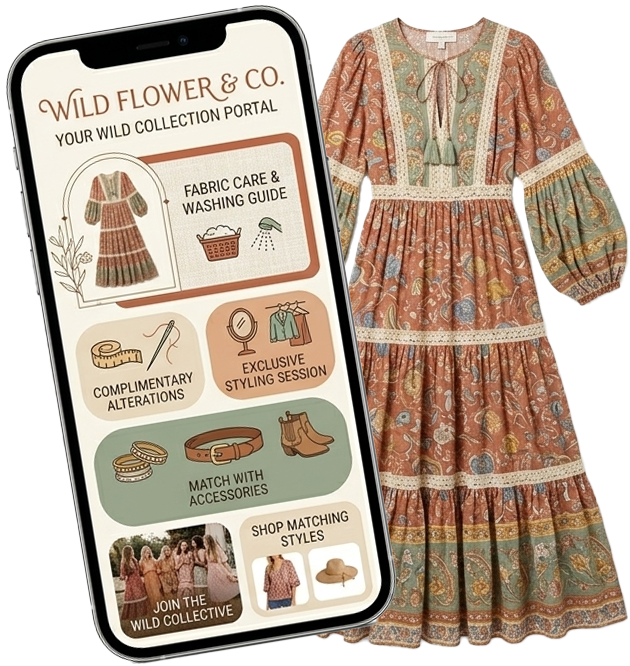
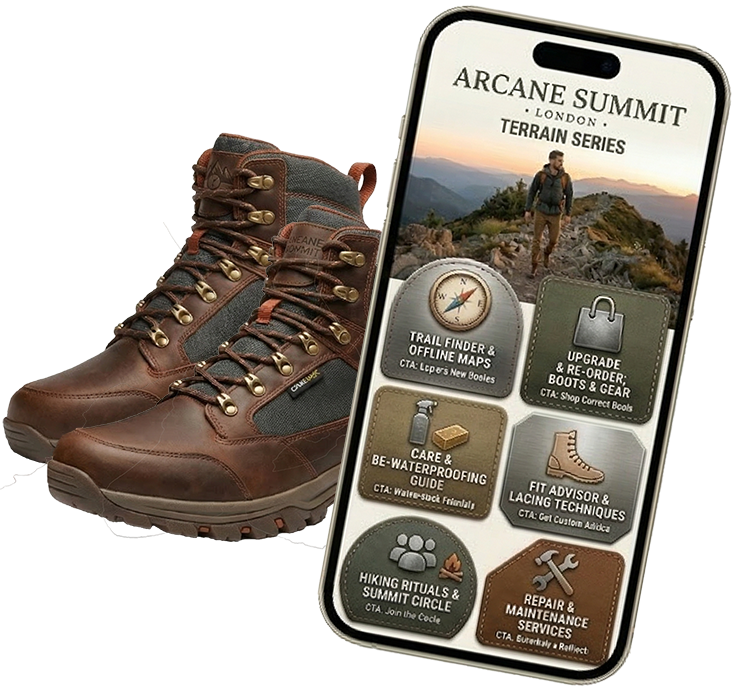
Complete Apparel Solutions
From luxury fashion to everyday wear, SmartLinks™ provides comprehensive authentication and engagement solutions for the entire apparel industry.
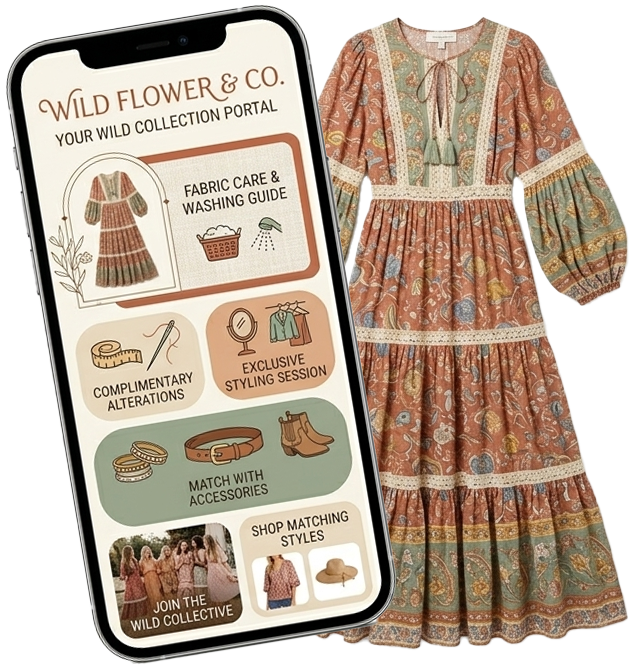
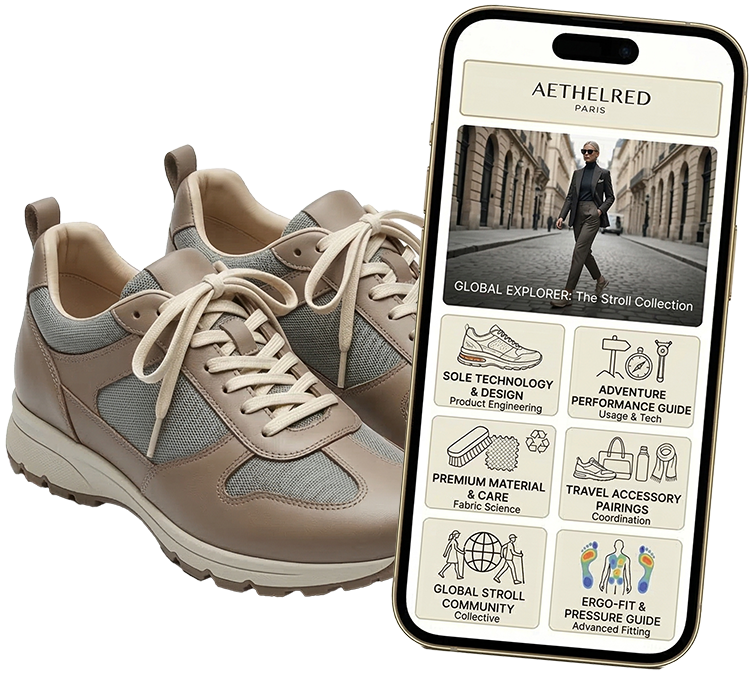
Why Apparel Brands Choose SmartLinks™
From luxury fashion houses to streetwear brands, SmartLinks™ delivers the authentication and engagement solutions that modern apparel brands need.
Combat Counterfeiting
Protect your brand with tamper-proof authentication that customers can verify instantly.
Digital Product Passports
Meet EU sustainability regulations with comprehensive digital product documentation.
Customer Engagement
Create direct connections with customers through personalised digital experiences.
Data & Analytics
Gain insights into customer behaviour and product performance with detailed analytics.
Brand Activation
Transform static products into interactive brand experiences that drive engagement.
Supply Chain Transparency
Provide customers with complete visibility into your product's journey and sustainability.
Three data layers every garment will need to carry
Textiles sit in the first wave of priority categories under Regulation (EU) 2024/1781. SmartLinks is the layer between the physical garment and the data the regulation requires — one GS1 Digital Link QR, many audiences.
Composition & provenance
Fibre breakdown, country of last substantial transformation, manufacturer identity, and supplier-tier evidence — verifiable from the label.
Maps to ESPR Article 9 and the textile delegated act expected in 2026.
Care, repair & durability
Care instructions, repair pathways, spare-parts routing and warranty registration — surfaced when the customer scans, not buried on a swing tag.
Supports the EU Right to Repair Directive (2024/1799) and waste-textiles separate collection rules from 2025.
Resale & end-of-life routing
Authentication for second-hand markets, take-back triggers, and fibre-to-fibre recycling routing — keeping the brand in the loop after the first sale.
Aligns with the EU Textiles Strategy 2030 horizon for longer-lived, more widely reused garments.
Apparel DPP & connected packaging — common questions
When does the EU Digital Product Passport actually start applying to clothing and footwear?+
Textiles are in the first wave of priority product groups under Regulation (EU) 2024/1781 (ESPR). The framework regulation entered into force in 2024; the textile-specific delegated act is expected in 2026, with enforcement from 2027. Brands that wait for the delegated act to start tagging will have months — not years — to retro-fit every SKU in their catalogue. Most of the brands we work with are tagging new collections from 2025 onwards so the data already exists when the rules bite. Background: our DPP for fashion and apparel by 2027 guide.
Do I need a separate QR for compliance and a different one for marketing?+
No, and you shouldn't. The point of a GS1 Digital Link URI is that one identifier resolves to whichever response the requesting context needs — consumer care guide, inspector compliance record, retailer stock check, repair workshop service history. SmartLinks does the routing at scan time. One QR on the label, many audiences, no reprint when the experience changes. See GS1's Digital Link specification for the underlying standard.
Does this work for footwear as well as garments?+
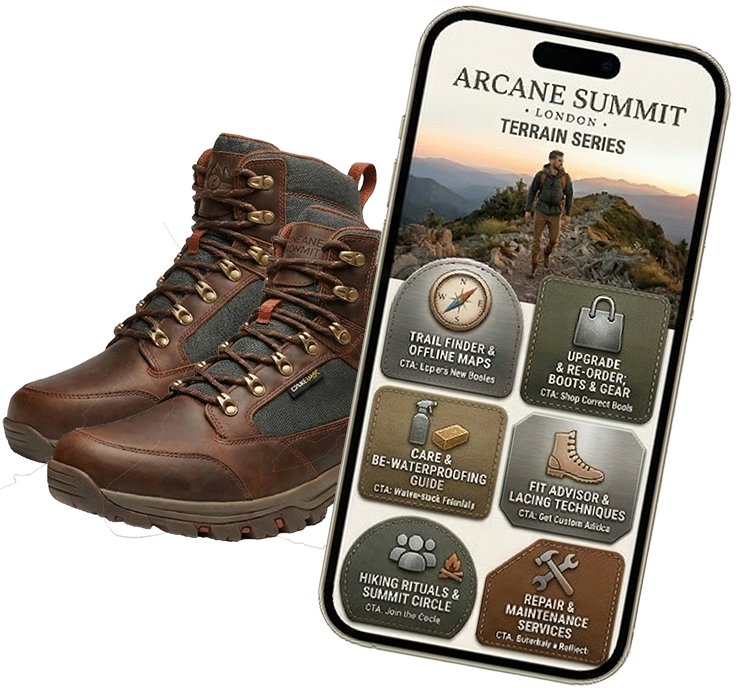
Yes. Footwear sits in the same ESPR textile scope and uses the same data structure (composition, country of last substantial transformation, care, repair instructions, end-of-life routing). Physically the tag is usually a tongue label, insole print, or box sticker rather than a sewn-in label, but the digital layer is identical to the clothing flow. See the footwear page for the category-specific patterns.
How does this support resale and second-hand without my brand losing control of the customer?+
Resale is one of the audiences the QR can route to. When a pre-owned garment is scanned by a buyer, the tag can authenticate the item, show its production batch, and offer the original brand the option to re-engage — a loyalty discount, a care service, or a take-back. The Ellen MacArthur Foundation's circular fashion work puts the prize at ~23% of the global fashion market by 2030 in resale, rental and repair; the connected garment is what makes that operate at retail scale.
What if my garments are made by multiple factories and I don't have clean traceability data today?+
Most brands don't — the DPP exists partly to force that data to exist. The pragmatic path is to start by tagging products with what you can verify (composition, care, brand-level claims), then layer in supplier-level data as you onboard each tier. The QR doesn't have to know everything on day one; the cloud record it points at can be enriched over time without re-tagging a single garment. Wider context in the EU's Strategy for Sustainable and Circular Textiles.